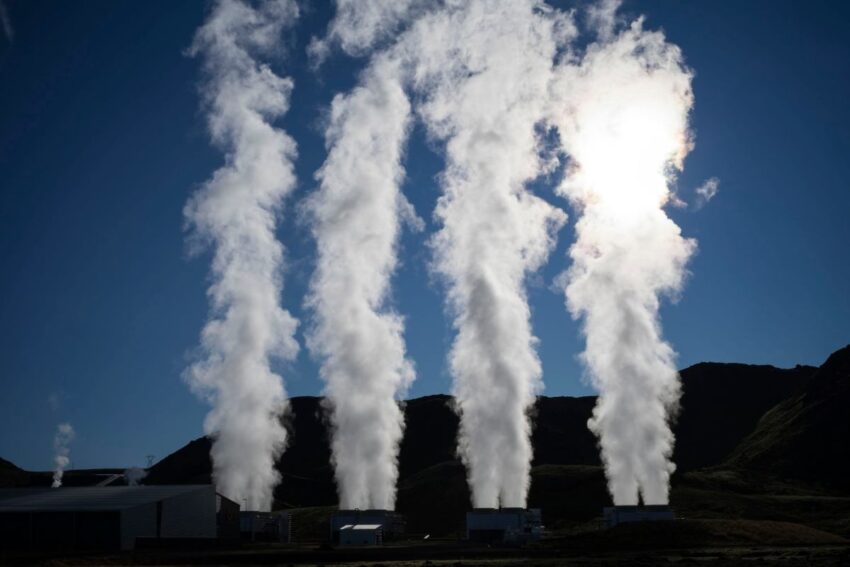
Meta и стартап XGS Energy строят в Нью-Мексико геотермальную электростанцию на 150 МВт — это как 30 000 домов! 🌋🔌 Цель: запитывать AI-серверы экологично. Да, ИИ жрёт энергию как дракон, а Meta решила подключиться к «розетке Земли». 🌎💡 Интересно: технология XGS добывает тепло даже из «холодных» скважин — прорыв в зелёной энергетике. Другие гиганты вроде Google и Microsoft тоже смотрят в сторону геотермала, но Meta выбрала самый смелый масштаб. 🌱🤖 Пока ИИ учится думать, корпорации учатся не гробить планету.
| Meta teams with XGS Energy to build a 150 MW geothermal power plant | TechCrunch Meta teams with XGS Energy to build a 150 MW geothermal power plant | TechCrunch TechCrunch Desktop Logo TechCrunch Mobile Logo Latest Startups Venture Apple Security AI Apps Events Podcasts Newsletters Search Submit Site Search Toggle Mega Menu Toggle Topics Latest AI Amazon Apps Biotech & Health Climate Cloud Computing Commerce Crypto Enterprise EVs Fintech Fundraising Gadgets Gaming Google Government & Policy Hardware Instagram Layoffs Media & Entertainment Meta Microsoft Privacy Robotics Security Social Space Startups TikTok Transportation Venture More from TechCrunch Events Startup Battlefield StrictlyVC Newsletters Podcasts Videos Partner Content TechCrunch Brand Studio Crunchboard Contact Us Image Credits: Feifei Cui-Paoluzzo / Getty Images Climate Meta teams with XGS Energy to build a 150 MW geothermal power plant Tim De Chant 1:00 PM PDT · June 12, 2025 Meta is the latest tech company to warm to geothermal energy, announcing on Thursday a deal with startup XGS Energy to develop a 150 megawatt geothermal power plant in New Mexico. XGS Energy has yet to say where it’ll be building the power plant, and Meta wouldn’t disclose specifics about the deal other than to say it’s not yet a contract to purchase power, but rather an agreement “to advance geothermal energy development” in the state, a Meta spokesperson told TechCrunch. Recently, tech companies, data center developers, and investors have been warming to the technology. Geothermal can generate electricity around the clock without producing emissions, an appealing combination to hyperscalers. Advanced geothermal, which drills deeper to access hotter rocks, could generate enough electricity in the U.S. to fulfill nearly two-thirds of new data center demand by 2030, according to the Rhodium Group . Many geothermal startups are pursuing open loop designs, where they inject water down one well and let it flow through cracks in the rock before extracting it from another well. Over time, some of that water is lost to the ground. XGS Energy, on the other hand, sends water through a closed loop inside a sealed well, minimizing water loss. It also injects a proprietary mud around the outside of the well casing to help transfer more heat from the rocks to the loop. The partnership between XGS Energy and Meta is the latest in a string of deals racked up by geothermal startups. Techcrunch event Save $200+ on your TechCrunch All Stage pass Build smarter. Scale faster. Connect deeper. Join visionaries from Precursor Ventures, NEA, Index Ventures, Underscore VC, and beyond for a day packed with strategies, workshops, and meaningful connections. Save $200+ on your TechCrunch All Stage pass Build smarter. Scale faster. Connect deeper. Join visionaries from Precursor Ventures, NEA, Index Ventures, Underscore VC, and beyond for a day packed with strategies, workshops, and meaningful connections. Boston, MA |
|---|
July 15 REGISTER NOW On Wednesday, Fervo Energy secured $206 million in financing to continue work on its Cape Station power plant, which, when finished, will be the largest geothermal power plant in the world. The company’s momentum has fueled speculation that it may go public as early as next year. In April, Google said it was buying 10 megawatts of geothermal from Baseload Capital to power its operations in Taiwan. The search giant also has a deal with Fervo to supply electricity for its Nevada data centers. XGS Energy raised a $20 million Series A last year to help develop a commercial-scale prototype in California. Topics Climate , geothermal , geothermal energy , Meta , Social , XGS Energy Tim De Chant Senior Reporter, Climate Tim De Chant is a senior climate reporter at TechCrunch. He has written for a wide range of publications, including Wired magazine, the Chicago Tribune, Ars Technica, The Wire China, and NOVA Next, where he was founding editor. De Chant is also a lecturer in MIT’s Graduate Program in Science Writing, and he was awarded a Knight Science Journalism Fellowship at MIT in 2018, during which time he studied climate technologies and explored new business models for journalism. He received his PhD in environmental science, policy, and management from the University of California, Berkeley, and his BA degree in environmental studies, English, and biology from St. Olaf College. View Bio July 15, 2025 Boston, MA From seed to Series C and beyond—founders and VCs of all stages are heading to Boston. Be part of the conversation. Save $200+ now and tap into powerful takeaways, peer insights, and game-changing connections. Register Now Most Popular Scale AI confirms ‘significant’ investment from Meta, says CEO Alexanr Wang is leaving Ivan Mehta After a string of successes, early-stage fund Felicis raises fresh $900M Julie Bort The Meta AI app is a privacy disaster Amanda Silberling Bluesky backlash misses the point Sarah Perez Meta teams with XGS Energy to build a 150 MW geothermal power plant Tim De Chant Tesla sues former Optimus engineer over alleged trade secret theft Rebecca Szkutak Google Cloud outage brings down a lot of the internet Maxwell Zeff Loading the next article Error loading the next article X LinkedIn Facebook Instagram youTube Mastodon Threads Bluesky TechCrunch Staff Contact Us Advertise Crunchboard Jobs Site Map Terms of Service Privacy Policy RSS Terms of Use Code of Conduct WWDC 2025 Whole Foods Snap AR Glasses Mistral Liquid Glass Tech Layoffs ChatGPT © 2025 TechCrunch Media LLC.
